The half-empty bag: packing for slow travel
The internet will teach you to pack light. Capsule wardrobes, compression cubes, a merino industry running at full song. All of it fine advice, none of it the point. After eleven years of long, slow trips, the principle we actually pack by is different: the bag should leave home half empty, because a full bag is a closed mind.
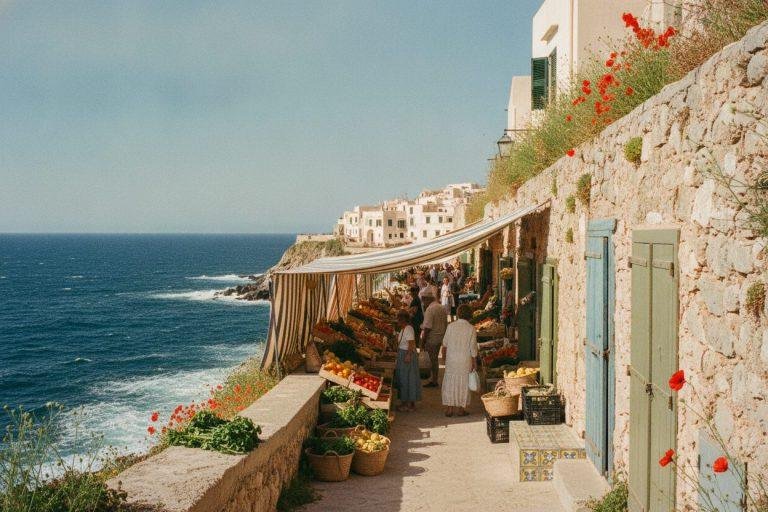
A half-empty bag is a set of decisions deliberately not yet made. It assumes the market in Marrakech will sell you a better shirt than the one you own. It assumes the ceramics in Andalusia will be irresistible, that a book will be pressed on you in a bar in Lisbon, that the olive oil from the farm where you stayed will simply have to come home. It leaves room for the trip to happen to you.
A full bag is a closed mind. Leave room for the trip to happen to you.
What actually earns its place
- Linen everything. It dries on a balcony overnight and forgives a long lunch.
- One pair of shoes you can walk twelve kilometres in, already broken in.
- A real notebook. Phones record; notebooks notice.
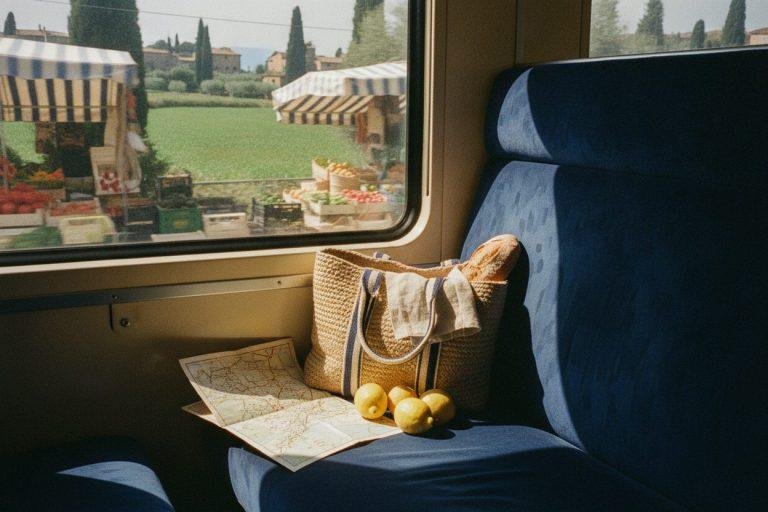
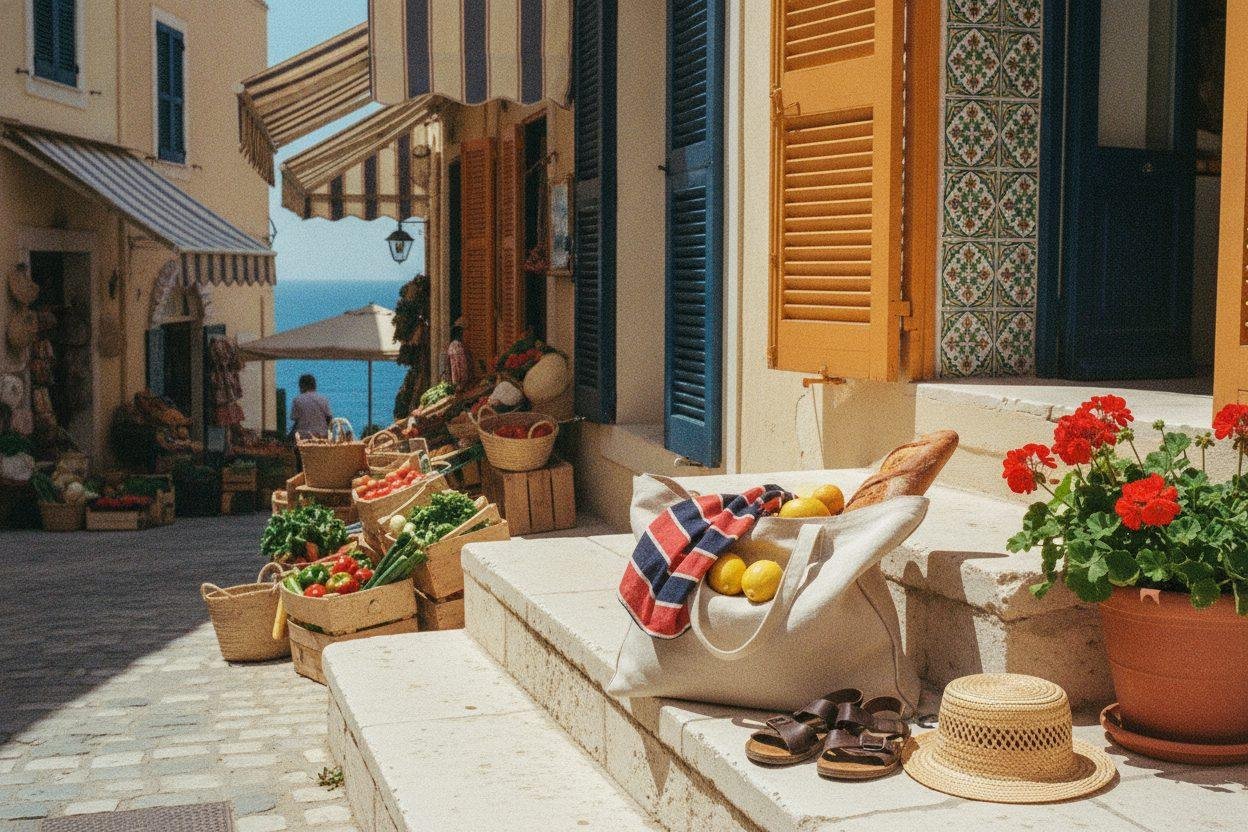
- A cloth bag folded flat — the future home of the market haul.
- Half of the toiletries you think you need. Pharmacies exist everywhere, and visiting one is itself travel.
The desert test
We once drove the road south of Ouarzazate with one small bag between two of us, mostly by accident. It was the freest fortnight of the decade. Every evening the packing took four minutes; every morning the bag went into the car like a thought already finished. Nothing was missed. The things we lacked, we bought, and the things we bought are the things we still own, because each one carries a road in it.
Pack for the person you will be on day nine — slower, browner, more easily delighted — not the anxious person zipping the bag on day zero. That person always overpacks, and day nine always forgives them for what they left behind.

written by Lena
Slow-travel writer, professional lunch-taker. I stay a day longer than the itinerary says and write down what happens.